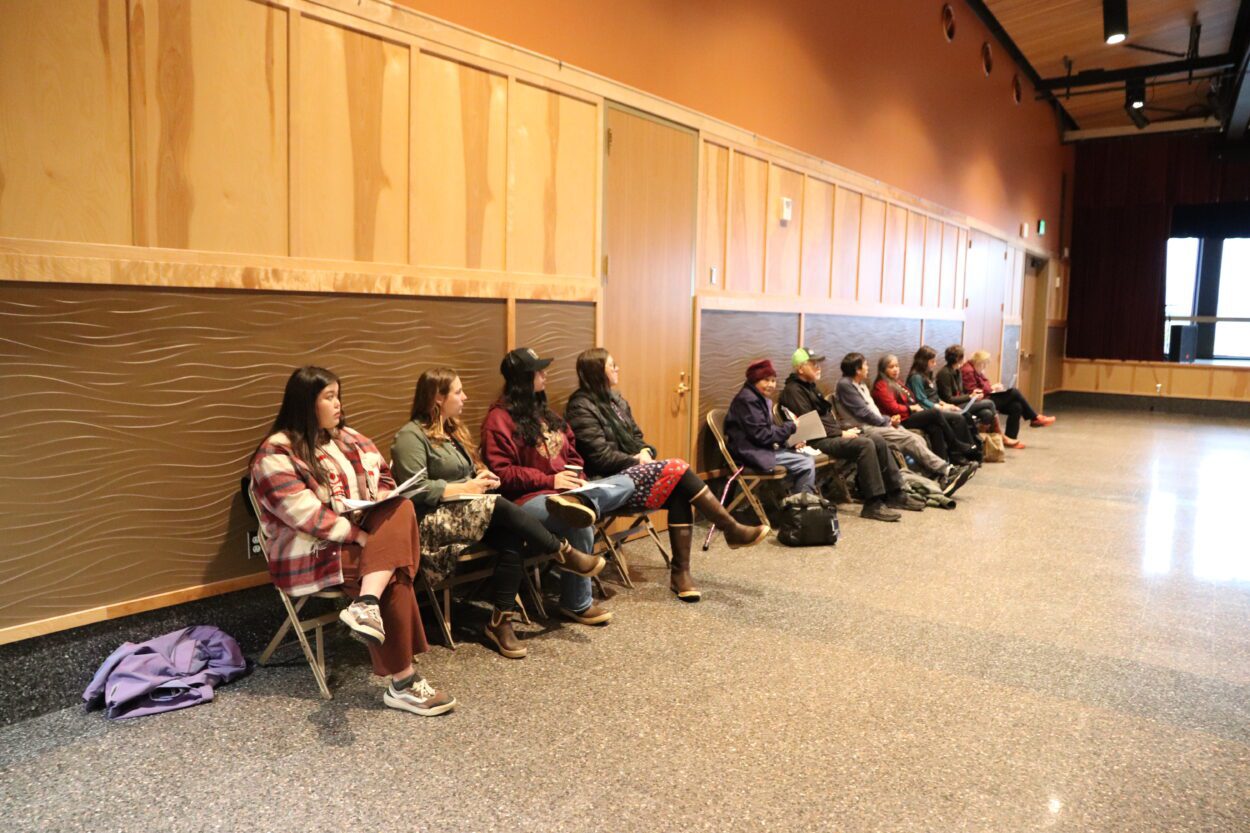
The Pacific Salmon Commission held a meeting in Sitka last month, where commissioners from Canada and the United States discussed Chinook salmon issues and approved an annual work plan for the coming year.
Several people from across Southeast Alaska spoke during the meeting about the importance of conservation and maintaining fisheries access to the region.
The Pacific Salmon Commission was formed 40 years ago by the governments of Canada and the U.S. to implement the Pacific Salmon Treaty. Under the treaty, the two countries agreed to collaborate in the management, research and enhancement of Pacific salmon stocks. The current 10-year agreement expires in 2028.
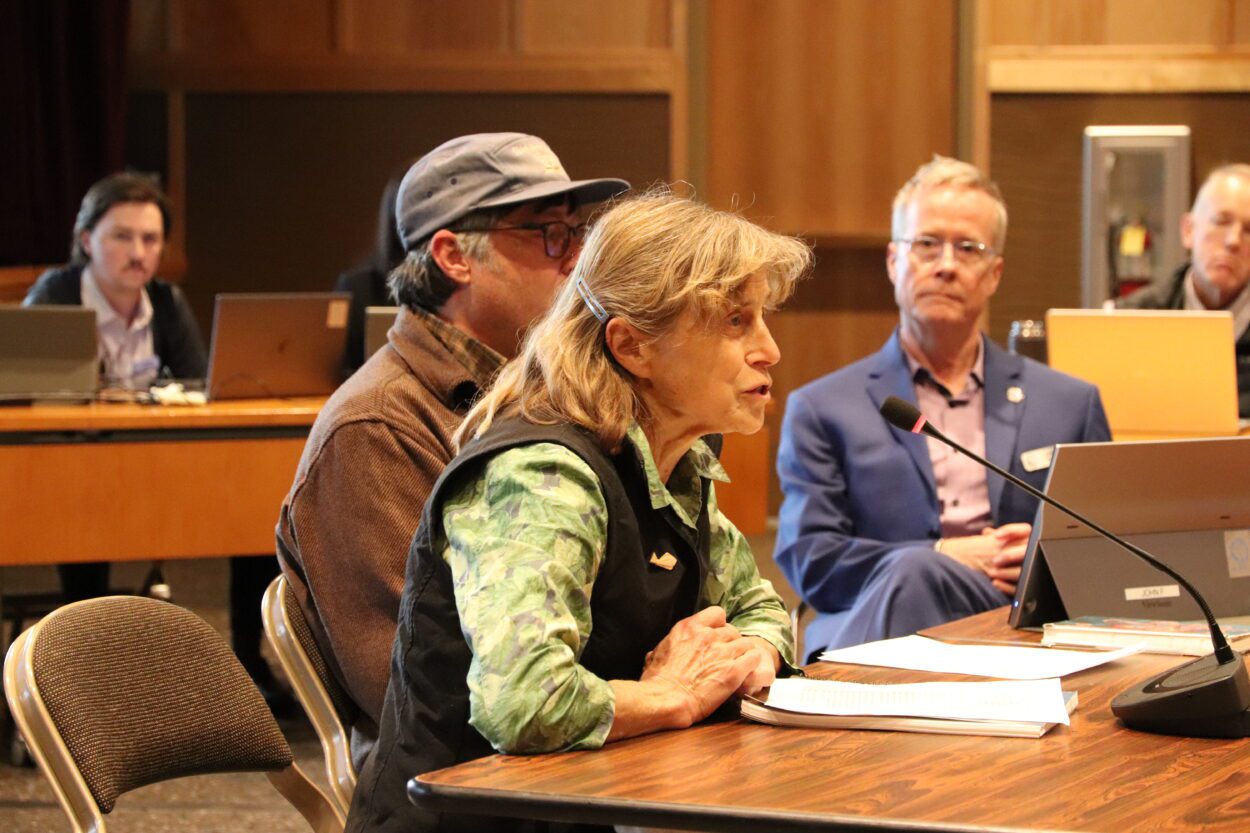
The bilateral commission meets three times a year. In October, the four-day session in Sitka concluded with public testimonies, where speakers emphasized the economic and cultural significance of salmon, particularly Chinook, also known as kings, for Southeast Alaska communities.
“Commercial fishing is not only the backbone of the Southeast economy, but in many rural economies, it is the economy,” said Linda Behnken, director of the Alaska Longline Fisherman’s Association and president of the Alaska Sustainable Fisheries Trust.
During public comment, Behnken talked about the importance of salmon to the region’s economy. The economic output of the Southeast Alaska seafood industry exceeds $800 million annually, she said, accounting for 15% of regional employment with 4,400 resident commercial fishermen and 2,900 seafood processing jobs. She said no fishery is more important to the Southeast way of life and food security than the troll fishery. The troll fishery is the second largest fishery in the state in terms of numbers of permit holders, and there are troll permits owned by residents in each of the 35 communities in Southeast Alaska. Eighty-five percent of troll permits are owned by Southeast residents, and close to 50% of troll permits are held by Indigenous residents.
Behnken said she will always support harvest reductions for conservation. But harvest cuts that hurt local fishermen when stocks are growing or while other sectors are allowed to catch more, is difficult to accept. She said the current Chinook management model is no longer useful and requested it be replaced.
“Trolling, and especially trolling for king salmon, is what sustains us,” she said. “While cohos and to a lesser extent, humpies and chums, are important to the troll fishery, Chinook are literally king, providing, on average, 40% of a fisherman’s annual income from trolling. That is why the Chinook reductions our fleet has taken over the life of the treaty have been painful to the point now of being almost crippling, leaving many without a viable business, way of life or cash flow to support even owning a boat.”
In April, the Alaska Department of Fish and Game announced the number of treaty Chinook salmon available this year for all Southeast fisheries was down almost 40% from last year’s allocation. Of the 130,800 allocated, trollers were allowed to catch 92,700 king salmon. The balance of treaty salmon went primarily to sport anglers.
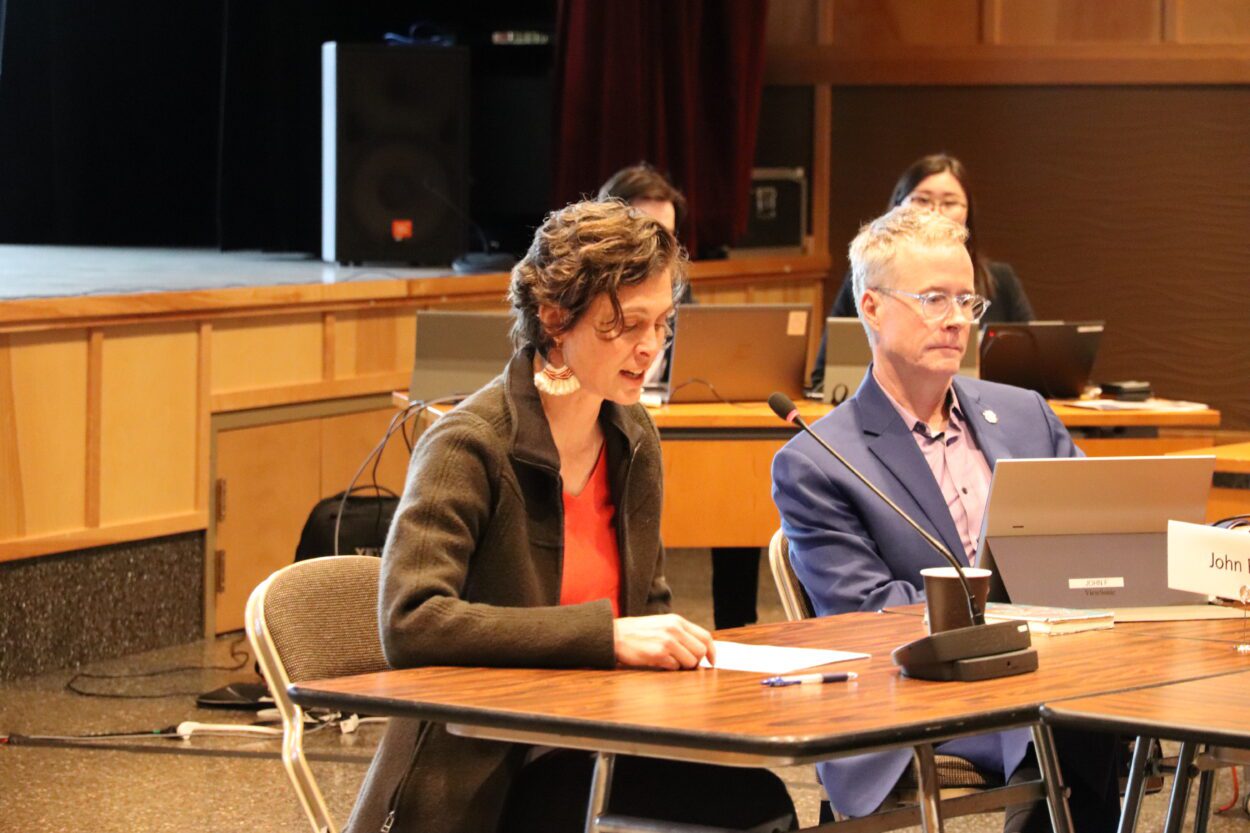
Jacquie Foss is a commercial salmon troller in Sitka. She said almost half of her family’s income comes from king salmon. Losing access to that resource would mean significant financial burden to her family and community.
Foss said she needs healthy salmon stocks to run her business and she supports conservation. But she worries reallocation is being disguised as conservation.
“If we, Alaska, give up fish to increase returns, those fish need to make it to the spawning grounds and not end up in someone else’s hold on their hooks or in their nets,” she said.
In April, the Alaska Department of Fish and Game announced the number of treaty Chinook salmon available this year for all Southeast fisheries was down almost 40% from last year’s allocation. Of the 130,800 allocated, trollers were allowed to catch 92,700 king salmon. The balance of treaty salmon went primarily to sport anglers.
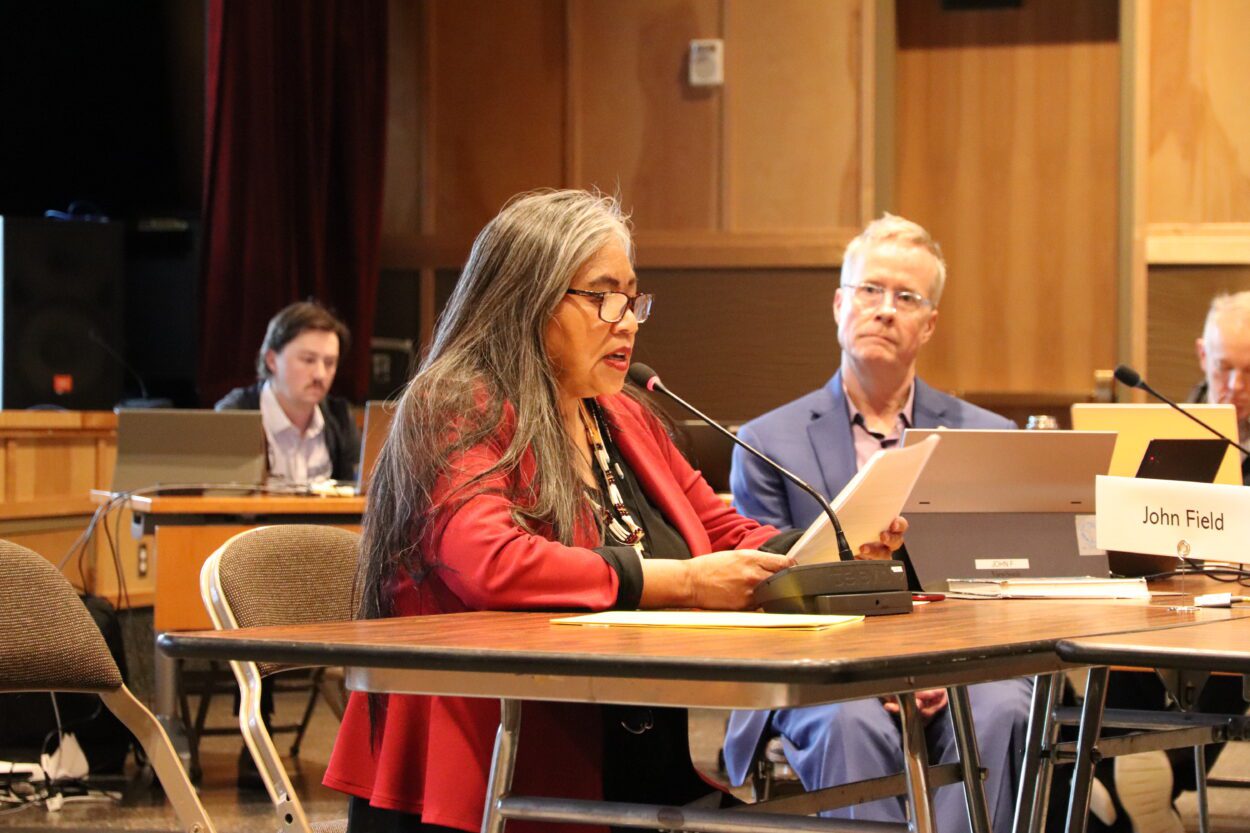
Paulette Moreno, with the Central Council of Tlingit and Haida Indian Tribes of Alaska, said nearly one in three commercial trollers in Southeast Alaska is a Tlingit and Haida tribal citizen.
During public testimony, Moreno stressed the need for Southeast Alaska tribal representation on the commission and for sustainable management.
She said for her people, salmon is not just food. Salmon is the anchor of their culture and governance, a cornerstone of their economy and the living thread that connects them to their ancestors and future generations.
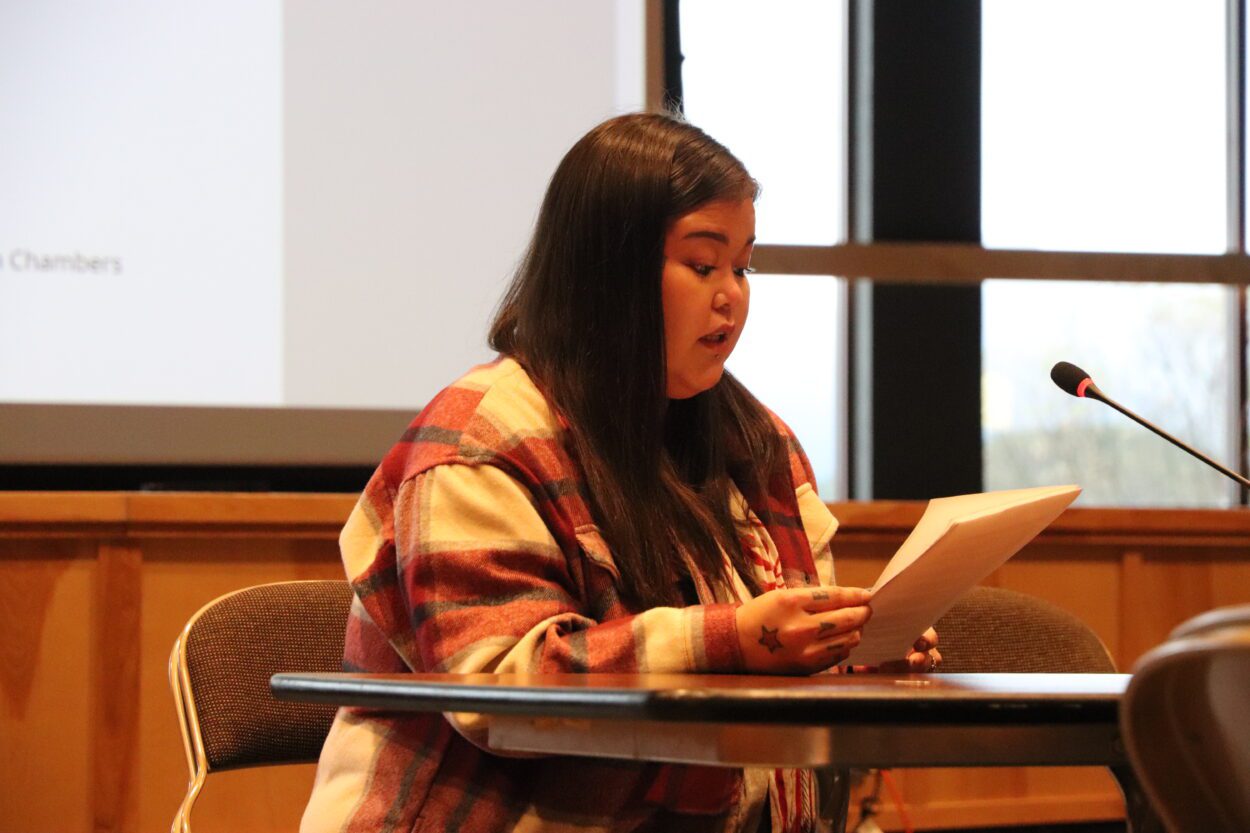
“Their decline is not just ecological, it is cultural,” Moreno said. “It strikes at the heart of who we are as Tlingit and Haida people. Families who once filled their smoke houses now worry whether their grandchildren will ever know the taste of these fish. And while local access shrinks, allocations for non-resident charter fisheries continue to grow, widening an imbalance that challenges the very intent of equitable management. These challenges demand that we act together — tribes, First Nations and all governments — to protect and restore the lands and waters that nourish salmon.”
Mary Jack is from Hoonah, and said she was speaking on behalf of a dozen fishermen from the small community. She said the health of Alaska salmon doesn’t stop at the border, and that they need cooperation from Alaska and Canada, and industry and communities, to protect crucial habitat.

“For most, king salmon might seem like a luxury, even here in Sitka, but for us, it’s a necessity,” Jack said. “We can’t afford another source of protein. Chinook is the only salmon we have to rely on during the harsh winter months. That’s why this fishery means survival. Growing up, I remember Christmas vividly. We had a small tree, a few presents from my grandparents. My mother worried about how to put dinner on the table. That Christmas Eve, my dad went out with his uncle, Thomas Jack Sr. They caught a king salmon, they sold one, and then they raced to the local grocery store to buy presents for the kids, a few ingredients for our dinner, a winter king and a deer roast. Some might call that luck, but I remember the scramble and the worry of two men trying to pull off a Christmas miracle.”
Jack said this fishery represents survival, dignity and love for family.
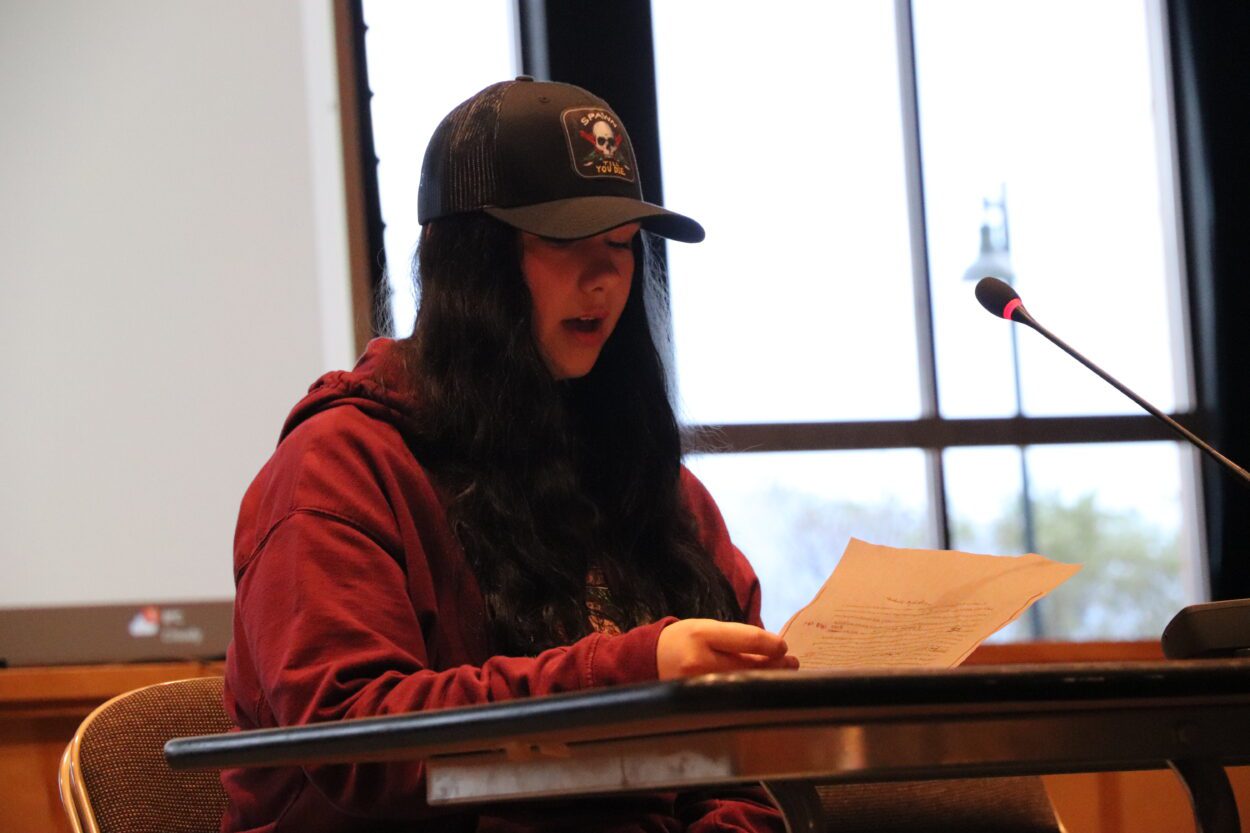
“As my father Dwayne Jack Sr. reminded us only yesterday, if they take this fishery away, they’re taking away a way of life, something passed down from my great-grandfather and his great-great-grandfather was passed down to his dad, himself, and now it passes on to my brother,” she said. “Our message is simple. We believe in sustainable fishing. We believe in healthy salmon and healthy rivers. We believe in cooperation and not competition. We believe that the Pacific Salmon Treaty should continue to uphold the stability it promised, to protect not just fish, but the families and communities who depend on them.”
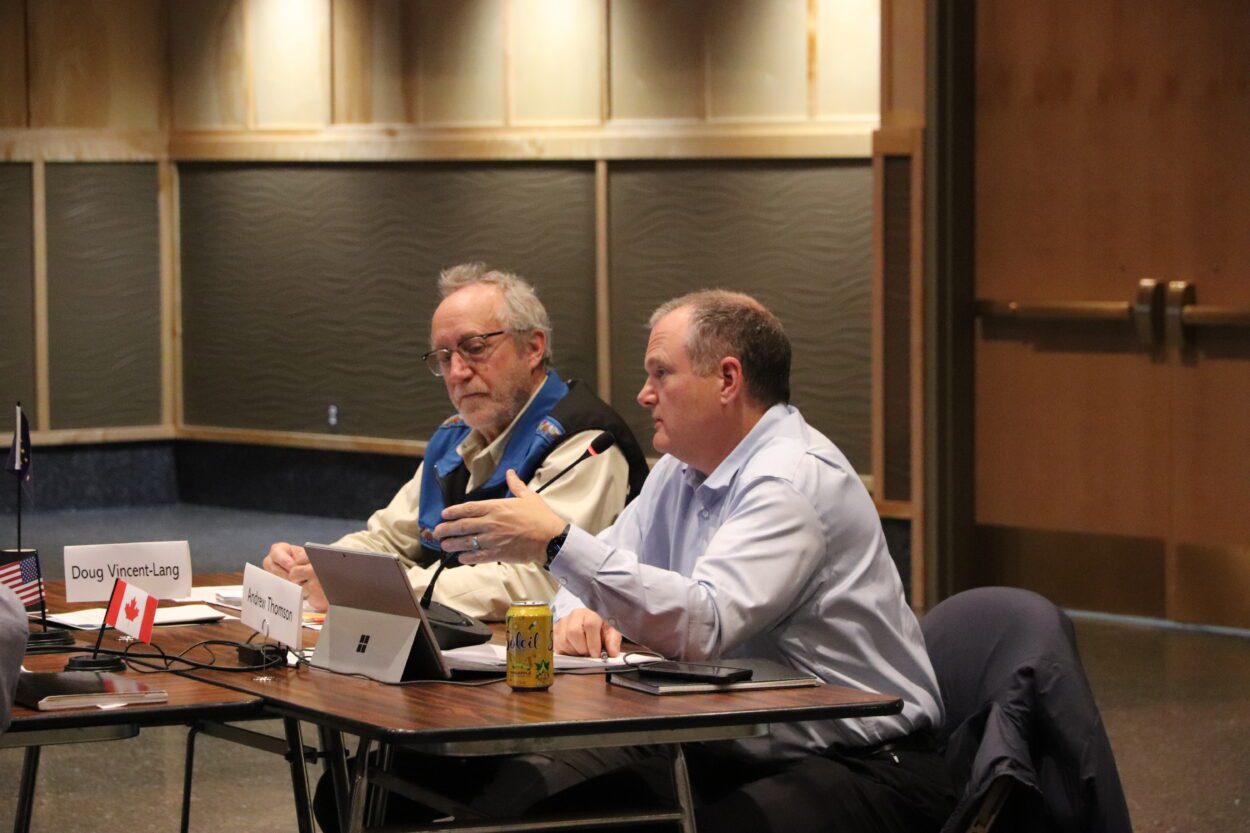
Following public testimony, vice-chair of the commission, Doug Vincent-Lang, thanked the speakers for their testimony before adjourning the meeting. He said their testimony provides perspective to help guide policy-making.
Listen to the full testimony here: