The deadline to comment on the U.S. Interior Department’s review of federal subsistence management has been extended to the end of March. Hundreds of Alaskans have submitted comments so far on the proposed changes, and the City of Sitka and residents of rural communities throughout Southeast Alaska are no exception.
“As a rural community, the vast majority of Sitka residents harvest large quantities of traditional, personal, and subsistence use fish and game year-round both for themselves and for others.” That’s central to a resolution passed unanimously by the Sitka Assembly on Feb. 10, and submitted to the federal Departments of the Interior and Agriculture.
Assembly Member Katie Riley, a sponsor of the resolution, said it weighs in on questions put forward by the Interior Department. One of those questions is the board’s process for rural determinations — something Riley said is particularly important to Sitka, which has defended its rural status for years.
“I am grateful that we are making a strong statement about how subsistence users and local and traditional ecological knowledge holders are the ones that are best suited to occupy those boards, and that subsistence is extremely important to our rural way of life here in Sitka and in Southeast Alaska,” Riley said.
Safari Club International submitted a petition in May of last year to amend the Federal Subsistence Management Program, which has authority over fishing and hunting on federal public lands. In the petition, the national sport hunting and fishing group calls for changes like eliminating a rural priority and removing public seats on the Federal Subsistence Board, which were added to ensure Indigenous and rural representation.
Rural subsistence users across Alaska say those regulatory changes would undermine subsistence harvest rights in the state.
Addressing the assembly, local Indigenous rights advocate Yeix Anatsees Tom Gamble said he’s grateful the city is taking a stance on subsistence.
“My worry is that there’s going to be an increased discrimination by the state troopers against Natives, in particular, who may not understand some of these changes, but they’re going to continue to live their life anyway,” Gamble said. “So what you’re looking at is the possibility of criminalization for someone making a choice about just maintaining the life.”
Patty Phillips agrees. She’s a resident of Pelican, a community of about 90 year-round residents on the northwestern part of Chichagof Island, and serves on the Southeast Regional Advisory Council for federal subsistence management. The Pelican City Council passed a similar resolution to Sitka’s at its meeting on Wednesday (2-11-26). In a phone interview, Phillips said she grew up on subsistence resources.
“Subsistence, to me, is a way of life,” she said. “It’s something that my parents taught me. I learned from other people in my community who would involve me in their activities. And then I also did it with my husband and his family, and then we did it with our children, and we bring in our grandchildren at times. So it’s just a full community way of life, or full family way of life connected to a community.”
Phillips said removing the rural priority would be detrimental to that way of life. Losing it could mean hunters from anywhere would have equal access to their fish and game on the federal lands in their backyard.
And Phillips said with the high cost of living in Pelican, that would be devastating.
“It’s really important to us as a community to have that priority access to resources, because it is our food security,” she said. “When you look in my freezer, you’re going to see fish and game in there, and that’s what we’re living off of now.”
Last November, Pelican went more than a month without a mail plane or ferry run, and Phillips said all of a sudden, their “lifeline” for staples out of Juneau was cut off.
Matt Anderstrom is the Food Sovereignty Coordinator with the Yakutat Tlingit Tribe. He agrees that the financial strain on families if the rural priority gets eliminated will be astronomical. Currently, he said, people in Yakutat pay $11 a pound for burger at the store and $22 for a gallon of milk.
“Everybody that stays there year-round is harvesting year-round,” Anderstrom said. “It’s like having a second full-time job. This one’s to put meat in the freezer. You have families like mine, and we’re not the only ones, we’re close to 90% subsistence protein because that’s what you have to do if you’re going to afford to live here.”
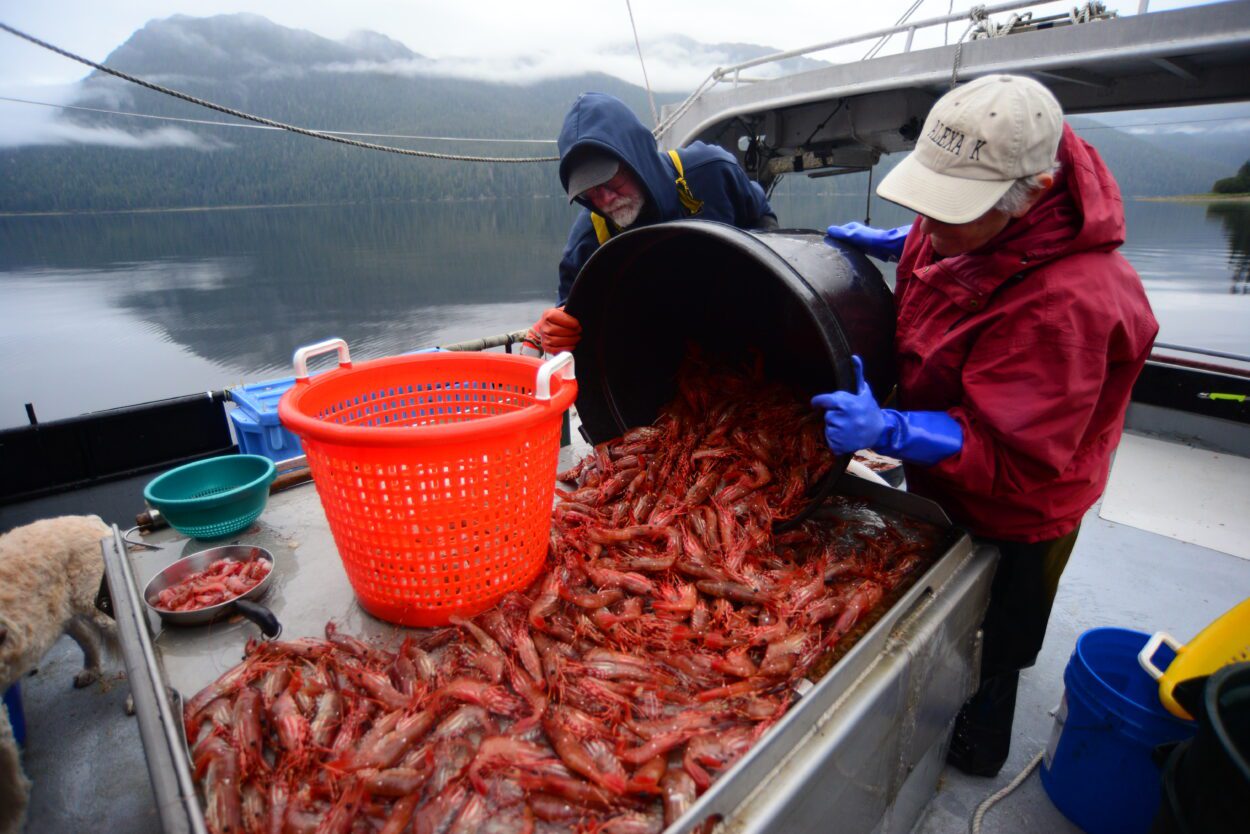
“Year-round” means getting shellfish from the beach and seaweed in the spring. Herring eggs in early April and hooligans from the river. Salmon throughout the spring and summer, followed by moose and deer season in the fall. Anderstrom said he’s afraid outsiders will come in and take up the quota before locals have had a chance to harvest.
“This is not something we go out and do for fun,” he said. “This is not something that we go out and do so we can hang a trophy somewhere, so we can show pictures to our friends and say, ‘Oh my God, look what we did. I went up here and I got this big moose and hey, you want to come next year?’ No, that’s not how we do things. We go out, we handle our business, we fill our freezers, we go home. And to me, it just seems like folks don’t understand that this is a way of life. This is what we do to survive.”
The deadline to comment on the proposed changes to the Department of the Interior’s federal subsistence review was extended from Feb. 13 to March 30. Public comments can be submitted at regulations.gov.