Rates for most city utilities this year are likely to increase, with one exception. At a special budget meeting on Feb. 27, the Sitka Assembly reviewed the city’s electric, water, wastewater, solid waste and harbor funds.
This year, city staff recommended increasing utility rates by 6% for water, 2% for wastewater and solid waste, and 4% for harbors. They recommended no rate increase for electricity, but residential customers will see a small increase in payments due to an additional fixed fee that was introduced two years ago.
Several assembly members indicated in December that they wanted to curb rate increases to give Sitkans a break. Finance Director Brooke Volschenk said staff tried to follow the assembly’s direction to keep the rates as low as possible, while still maintaining financial stability within each fund.
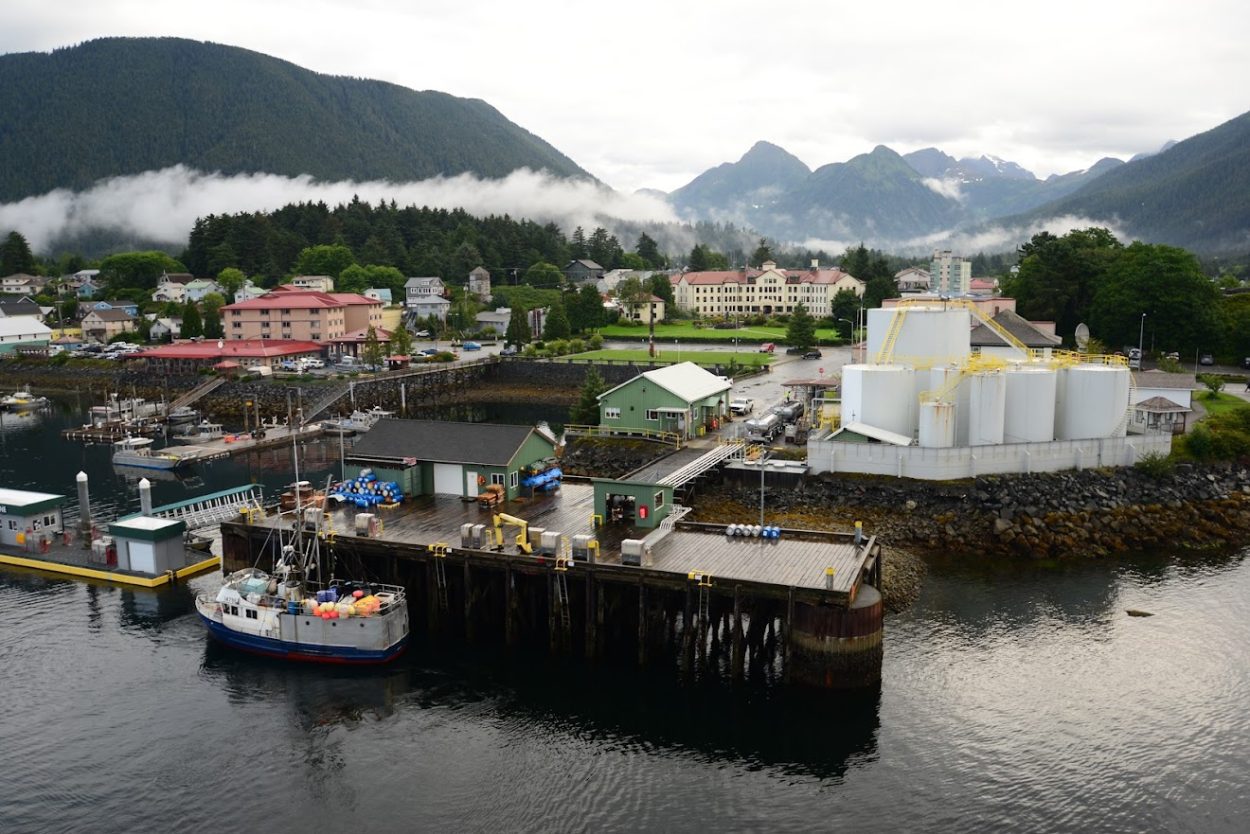
“In Sitka, the municipality owns and operates water, electric, wastewater, solid waste, harbors, the industrial park and an airport,” she said. “In a lot of communities, some of these services are separate utilities or private entities. Here, all of that responsibility — operational, regulatory, and financial — stays local. That does give us more control, but it also means that long-term capital and financial planning is entirely our responsibility.”
The water fund will see the biggest change, with a recommended 6% rate increase. Volschenk said that’s because the fund is entering a period of significantly higher fixed costs to pay off secondary water filtration infrastructure for the city’s drinking water. The increase equates to about four more dollars per month for a typical residential customer.
The assembly voiced its support for staff’s recommended changes. Mayor Steven Eisenbeisz thanked Municipal Administrator John Leach and Volschenk for listening to the assembly’s wishes following years of steep rate increases.
“I think we found as fair as possible rate increases while balancing the high level of service that Sitkans demand,” Eisenbeisz said. “We have to make sure that toilets flush, that faucets turn on, that lights turn on when we flip the switches, and this budget gets us there for the next little bit.”
In total, Volschenk said the rate increases amount to just over $8 per month for an average, single family household, or about $99 per year. But she said the actual bills for customers will vary based on their usage and their service level.
Unless significant new information arises, Volschenk said Thursday night’s recommendations will be incorporated into the fiscal year 2027 budget, but they won’t be finalized until the final budget is passed later this spring.
The assembly’s next budget meeting is March 25, where they’ll review the first draft of the general fund budget.