The Sitka Assembly voted Tuesday night (10-27-26) to hold a special election in the new year. If the initiative is approved on second reading, Sitka voters will weigh in on a seasonal sales tax increase to fund a local childcare initiative.
While assembly members agree the funding mechanism isn’t ideal, they say asking voters whether or not they support it is a step in the right direction.
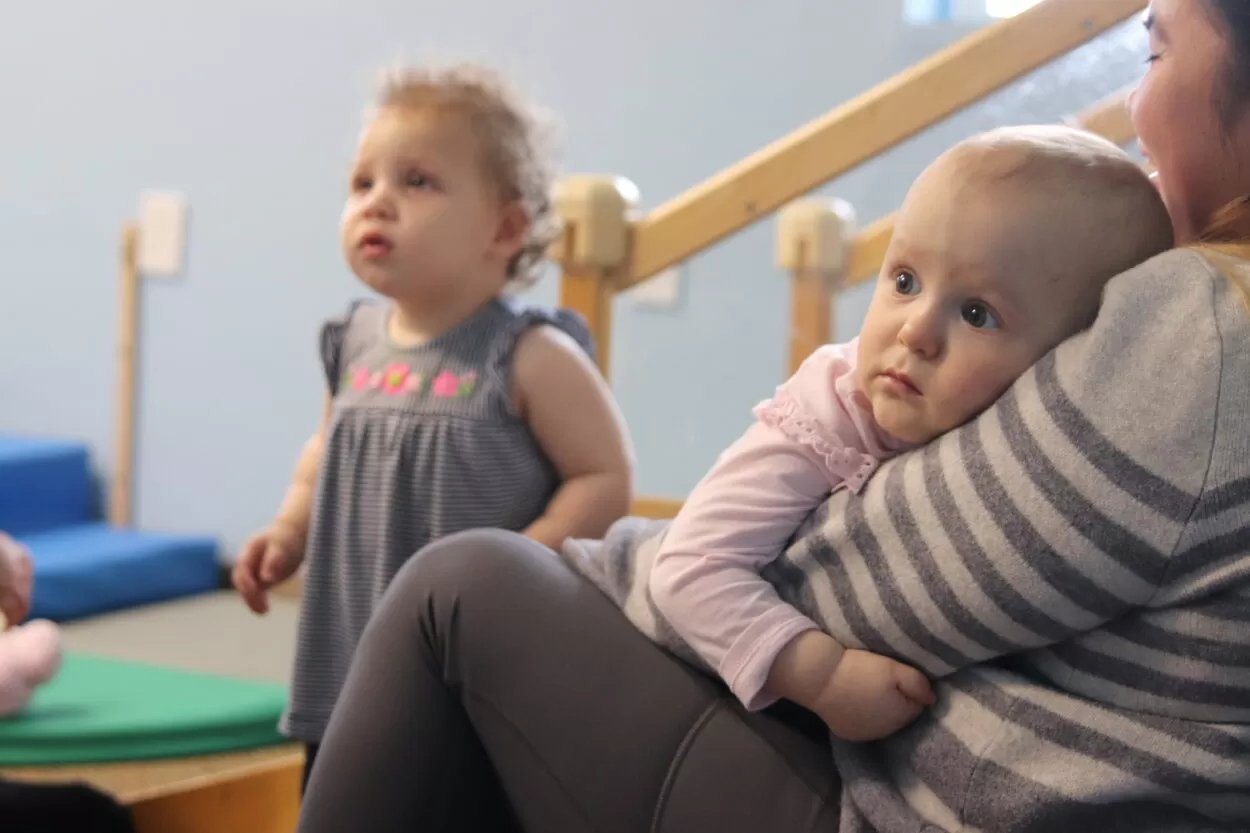
Childcare access in Sitka has been named a top priority by the city. According to a 30-page study commissioned earlier this year, Sitka’s childcare system has the capacity to serve only about half of the young children who need it.
In June, the Sitka Assembly settled on a $1 million a year plan to help address the growing shortage, but still had to find a way to pay for it. That’s how they ultimately came up with the idea of a seasonal sales tax increase.
“We have been working on this now for pushing two years, I believe,” said co-sponsor Thor Christianson. “It’s been before the assembly a number of times. And we reached out and had more meetings and town halls than anything else [during] the entire time I’ve been on the assembly.”
If approved by voters, Sitka’s summer sales tax rate — that’s from April through September — would increase from 6% to 6.5%. Winter sales tax would remain unchanged. City staff anticipate the increase could raise more than $1 million in additional sales tax revenue per year to put towards workforce incentives, grants, a family scholarship fund, and a childcare career pathway program.
Laurinda Marcello was one of a handful of community members who gave feedback on the proposal at the meeting. She said if private solutions could have solved the childcare shortage, they’d have worked by now. So instead, she said she throws her full support behind putting the sales tax question to voters.
“I got on a wait list for daycare when I was pregnant shortly after I announced to friends and family. But we did not get offered a licensed spot until my son was old enough to attend preschool,” she said. “So my husband left his job for about 1.5 years, which was a way more significant financial hit than a .5% sales tax increase would be to our family.”
Marcello said if she’d decided to have more children, she likely wouldn’t be able to continue to live in Sitka due to the financial stress.
“I want new parents and parents adding children to their families to have better options than my family did, so that they can remain in Sitka for the long haul. That requires public investment,” she said.
Enrollment in the Sitka School District has been declining over the past two decades, and Lauren Wild, with the Early Childhood Coalition, said the lack of childcare is a factor.
“Everyone in Sitka should be alarmed. That’s the future of our town,” Wild said. “We can argue over why, but people, like Laurinda said, are leaving Sitka if they want to have children. They’re not having children in Sitka. They’re only having one child. I hear these stories every day.”
Wild said passing this proposal is “the first step and a critical step in turning the tide.”
Newly-elected Assembly Member Sherri Blankenship said she thinks the tax increase is “a lot like robbing Peter to pay Paul.” It’s solving one issue while adding to the financial burden on young people.
“Have we aggressively pursued every funding opportunity that we could possibly do as a community. That is something I don’t think that we have done,” she said. “I don’t think that we have fleshed this out completely to the point that it is structured, organized, and figured out before we brought this to the people and said ‘We’re going to raise your taxes because that’s the easiest thing to do to figure out how to fund this.’”
Blankenship, who ultimately voted in favor of putting the proposal to voters, suggested looking at things like adjusting the senior sales tax exemption or leaning into the assembly’s proposed public-private partnership where local businesses would make a financial contribution.
Co-sponsor Katie Riley said she also doesn’t love the funding mechanism the assembly settled on — she thinks it’s “a regressive tax” on the most tax burdened population in Sitka. But she said she wants the community to weigh in.
“I don’t know how people are supposed to pay for childcare and a mortgage, especially with interest rates at this point in time, and still afford groceries,” Riley said. “This is really really impeding the ability of young people to make this community their home. With that being said, I strongly believe that we need some level of municipal investment in childcare to support the stabilization and the growth in our community.”
Ultimately, the assembly voted 6-1 on first reading in favor of putting the question to voters, with Assembly Member Darrell Windsor opposed. The issue will come back to the assembly table for a final vote on November 10.
If passed, the city will hold a special election on February 2.